

Contractor Pay Guide

Invoices, currencies, schedules and fees explained for teams that pay contractors in different countries.

Contractor Pay Guide

Get Invoiced and Paid Across Borders

Work through the mechanics of cross-border invoicing: which currency to bill in, what the transfer really costs, and how to keep records that hold up.

A freelance designer's desk with a printed invoice, a laptop showing a currency conversion screen, a calculator and a passport, lit by window daylight.

What to check before you send money

Three things that decide whether a contractor payment arrives on time, in the right amount, and without a surprise deduction.

01

Pick a method the contractor can actually receive

A rail that works in one country may be slow, restricted, or unavailable in another. Local bank transfer, card payout, and wallet routes each have their own reach, so confirm what your contractor can access before you promise a payment date.

Compare payment methods
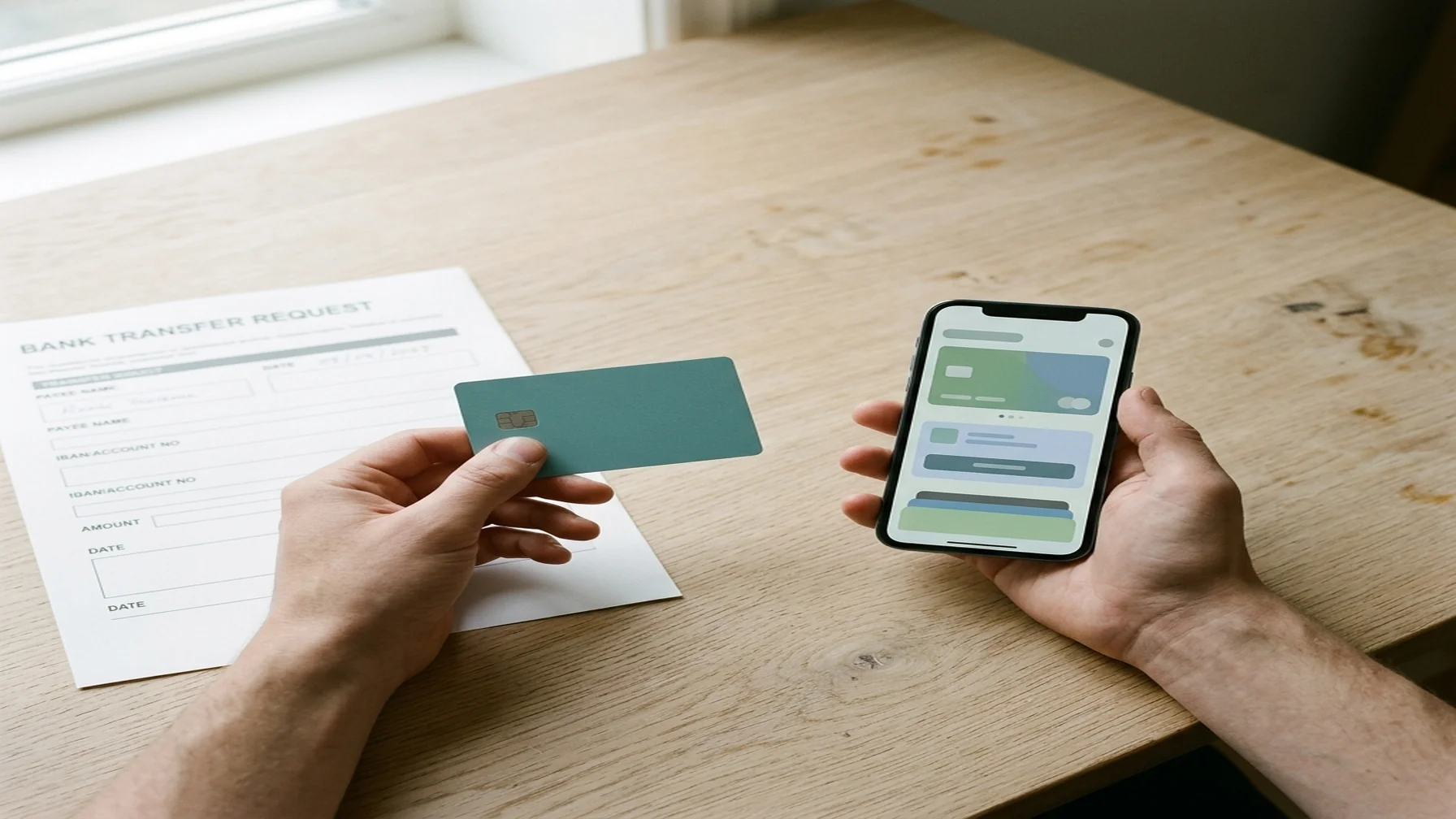
Close-up of hands at a desk comparing a bank card and a phone showing a mobile wallet, with a paper transfer form beside them

02

Separate invoice currency from payout currency

An invoice in one currency and a payout in another means a conversion happens somewhere, and the rate used is rarely the one you see in a search result. Agree which currency the invoice is denominated in and who absorbs the conversion difference before work starts.

Read about invoice currencies
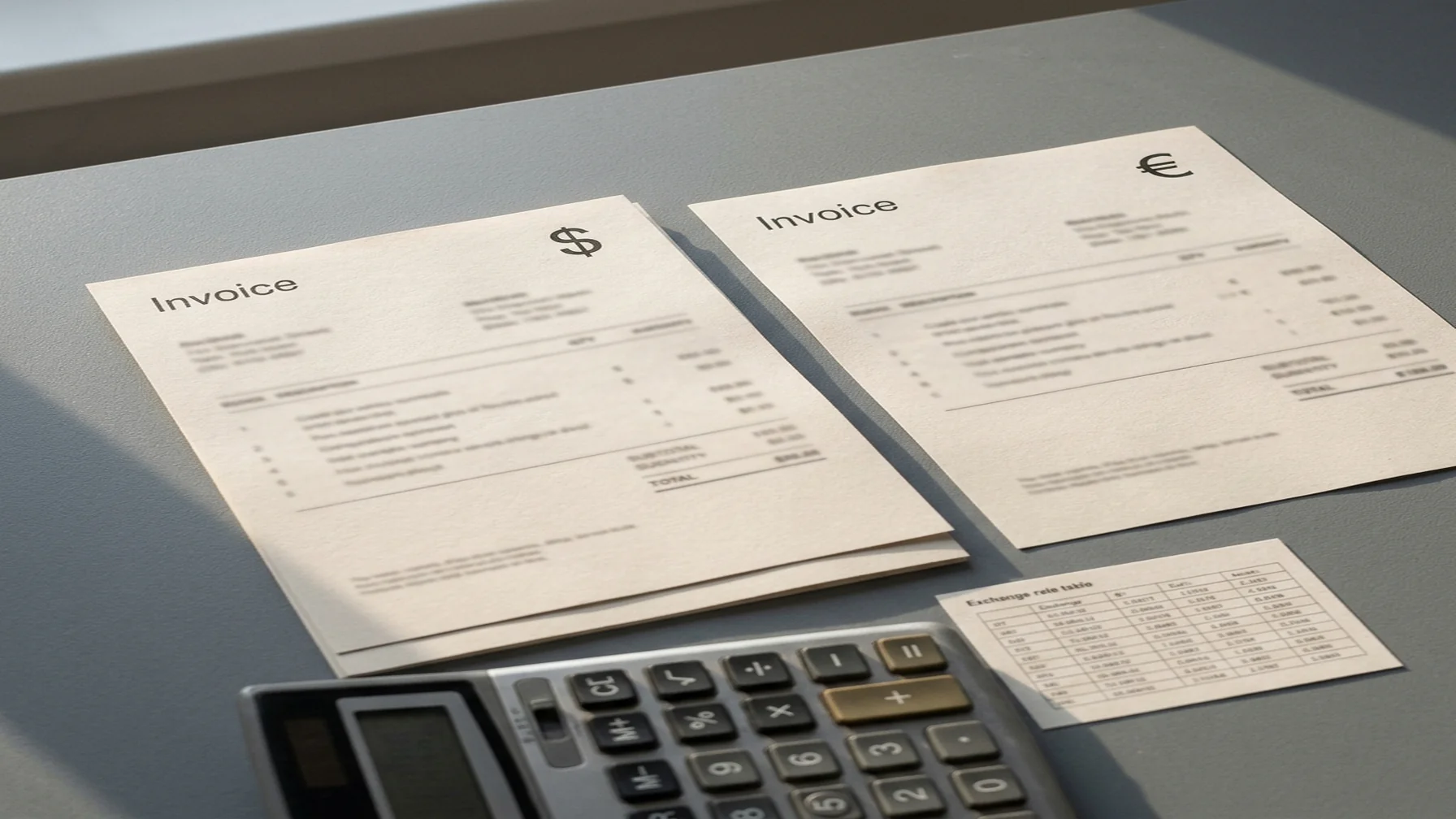
Two paper invoices with different currency symbols on a desk next to a calculator and a currency conversion printout

03

Add up the fees on both ends

The fee you see at checkout is only part of the cost. Correspondent banks, receiving banks, and currency conversion spreads can take another cut after the money leaves. Ask the contractor what actually landed, then compare that figure to what you sent.

Understand fees and security
A payment receipt and a bank statement on a table with a pen, a coffee cup and a small stack of coins
A contractor's desk with a printed invoice in one currency, a bank card statement in another, and a pen resting on the exchange-rate line.

Invoices & Currencies

Get the invoice currency right

The currency you bill in decides who absorbs the exchange rate, so agree on it before the first invoice goes out.

  • Name the invoice currency in the contract, not just the rate
  • Billing in your own currency pushes conversion costs to the client
  • Client-currency invoices can lose value before the payment lands
  • Ask which currency their accounts payable team actually pays
Read the invoicing articles

How Contractors Get Paid Across Borders

Three decisions shape most international contractor payments: the rail that moves the money, the currency it lands in, and who absorbs the conversion cost.

Two people at a wooden desk comparing a printed bank transfer form with a laptop showing a payment dashboard

Choose the payment rail before the currency

A bank transfer, a card payout and a wallet transfer clear at different speeds and fail for different reasons. Bank wires need the beneficiary name, account number and sometimes a SWIFT or IBAN code to match exactly; card payouts depend on the contractor's card network accepting the push. Pick the rail first, then work out which currencies it supports.

Compare payment methods
Close-up of an invoice document on a desk with a pen, a calculator and a bank card beside it

Know what the invoice must state

Cross-border invoices usually need the contractor's legal name, address, tax identifier, the currency of the invoice, a payment reference and the bank details in the format the receiving bank expects. Missing or mismatched details are a common cause of returned transfers, and a returned transfer can cost both sides a fee.

What invoices need
A person with a notepad working through a currency conversion on a phone calculator next to a laptop

Price the conversion, not just the fee

A transfer can look free and still cost several percent if the exchange rate includes a markup. Compare the rate you are quoted against a reference rate for the same day, and add any sending fee, receiving fee and intermediary bank charge. A flat fee hurts small invoices more than large ones; a rate markup scales with the amount.

Understand fees and rates

Invoices & Currencies

Get paid across borders without losing on the exchange

What to check on an invoice before a foreign client pays it, and where currency conversion quietly takes a cut.

Read the invoice and currency guides

Email updates

Get new country guides by email

One email when we publish a new country guide or update an existing one on invoices, currencies and contractor fees.

We use your address only to send these updates. Unsubscribe from any email. See our privacy details on the Contact page.